

12 Facts About Merino Wool: Nature’s High-Performance Fabric
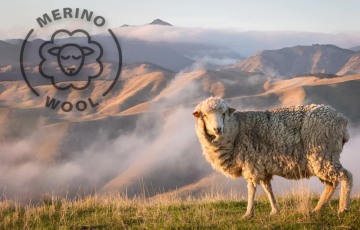
Merino wool is a natural wonder, celebrated for its unmatched comfort, versatility, and sustainability. Its unique properties make it a favourite choice for everything from high-performance outdoor gear to everyday wear. As one of the finest types of wool, Merino offers a perfect blend of luxury and practicality, distinguishing it from other fabrics. Whether you're drawn to its softness, breathability, or eco-friendly nature, Merino wool proves that nature truly knows best.
1. Fibre Diameter
Merino wool fibres are incredibly fine, typically measuring between 15 to 25 microns. For comparison, human hair averages around 70 microns in diameter. (Note: 1 micron (1μm) = 1/1000 mm)
2. Temperature Regulation
Merino wool can absorb moisture up to 30% of its own weight without feeling wet, helping to regulate body temperature by wicking away sweat and keeping the skin dry.
3. Odour Resistance
The natural antibacterial properties of Merino wool arise from its lanolin content, which inhibits the growth of odour-causing bacteria. This makes it popular for multi-day use, especially in outdoor activities.
4. Renewability
Merino sheep produce a new fleece every year, making Merino wool a fully renewable resource. A single Merino sheep can grow up to 2 kg (4.5 pounds) of wool annually.
5. Fine vs. Ultrafine
Ultrafine Merino wool is classified as having fibres less than 17.5 microns, while fine Merino wool ranges from 18.6 to 24 microns. The ultrafine variety is used in luxury fabrics and next-to-skin garments.
6. Fire Retardant
Merino wool is naturally fire-resistant, with a high ignition temperature of 570-600°C (1,058-1,112°F), making it safer than synthetic fibres that can melt or catch fire easily.
7. Sustainability
Merino wool is biodegradable. When disposed of in soil, it decomposes in a few years, releasing valuable nutrients like nitrogen and sulfur back into the earth.
8. UV Protection
Merino wool provides natural protection against UV rays, with an ultraviolet protection factor (UPF) of around 30+, making it ideal for outdoor apparel.
9. Elasticity
The natural elasticity of Merino wool allows garments to retain their shape after stretching and use. This elasticity arises from the crimped structure of the fibres, making the fabric resilient.
10. Merino Population
Approximately 80% of the world’s Merino wool comes from Australia, which is home to over 70 million Merino sheep.
11. Water Repellent
While Merino wool absorbs moisture, its surface is also water-repellent due to its hydrophobic outer layer, allowing light rain or snow to bead off without fully soaking in.
12. Insulating Properties
Merino wool traps air between its fibres, providing excellent insulation in cold conditions, yet remaining breathable in warmer climates, keeping the wearer comfortable across different environments.